You're days from launch and the campaign looks incredible, you might even say perfect. Then a stakeholder comes out of nowhere (sort of) and notices the colors don't match the new brand guide and somehow the video still shows the old product packaging.
This is the sort of thing that happens when teams confuse proofreading with proofing. To be clear, both involve reviewing work before it goes live, but mixing them up causes expensive problems that could have been completely avoided.
Let's break down the real difference between proofing and proofreading, why creative teams absolutely need both, and how understanding this distinction saves you from those stomach-dropping moments when something goes wrong after hitting publish.
What we'll cover
Table of contents
What is proofreading and why it matters
Proofreading is the final polish on your written content, serving as the last defense against typos, grammar disasters, and punctuation crimes that make your brand look unprofessional.
When you proofread, you're focused entirely on the text itself. You're hunting for misspellings, fixing comma splices, and ensuring your "there/their/they're" usage won't make readers question your credibility. This detail work matters to be sure, but it only deals with the words on the page.
Say you're reviewing a blog post about your new product launch. Proofreading catches that sneaky double space between sentences, fixes "manger" back to "manager," and makes sure you didn't accidentally write "public lunch" (delicious) instead of "public launch" (important). These mistakes might seem minor, but they chip away at your professionalism faster than you'd think.
Marketing teams typically proofread articles, email campaigns, social media posts, website copy, and any other text-heavy content before it goes live. While tools like style guides and grammar checkers lend a guiding hand, nothing beats human eyes for catching those context-specific errors that automation consistently misses.
What is proofing and how it differs from proofreading
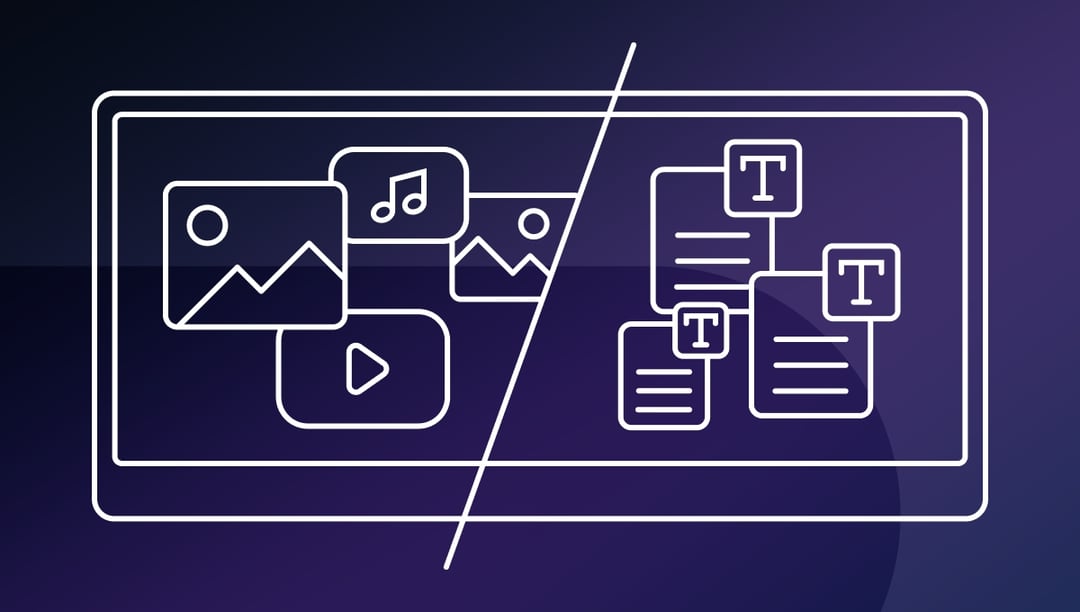
Proofing examines the entire creative asset including design, layout, branding, messaging, technical specs, and yes, the text too. While proofreading zooms in on words alone, proofing steps back to see the complete picture.
Think about reviewing a social media campaign. Proofing verifies the campaign actually launches on schedule, uses the correct hex codes for your brand colors, includes the right product images, maintains consistent fonts across all materials, and ensures every element aligns with your current brand guidelines. You're essentially quality-checking your entire creative output from top to bottom.
Creative teams proof everything from video ads and websites to packaging designs and trade show banners. You're checking that animations render correctly, ensuring print files meet printer specifications, confirming legal disclaimers appear where they should, and making certain that the gorgeous mobile-first design you’ve built actually works on real mobile devices.
The scope here is massive compared to proofreading. You might catch a typo during proofing (always a nice bonus), but you're really looking for bigger issues like discovering your video ad accidentally features a competitor's product in the background or realizing your "accessible" website fails every contrast test imaginable.
Proofing vs. proofreading: Key differences
Let's get specific about what separates these two essential processes:
Scope tells the whole story
Proofreading stays in its lane with text-only reviews, while proofing examines everything including visuals, audio, animation, layout, functionality, brand compliance, and technical requirements. One process checks words while the other checks absolutely everything.
Different tools for different jobs
Proofreaders typically work with dictionaries, style guides, and maybe Grammarly on a good day. Proofing requires collaborative platforms where designers, copywriters, project managers, and stakeholders can all weigh in on different aspects of the creative work. You need software that handles comments on specific video timestamps, design elements, or interactive features.
Purpose shapes the process entirely
Proofreading eliminates errors in your written content to ensure accuracy. Proofing ensures quality, consistency, and alignment across your entire creative asset while meeting both creative standards and business objectives.
Why proofing matters for creative teams
Your agency just lost a major client because a campaign went live with last year's pricing, even though everyone swears they "reviewed" it thoroughly. That's exactly what happens when teams skip proper proofing or confuse it with basic proofreading.
When brands accidentally use old logos in new campaigns, that's not a spelling problem but a systematic proofing failure. Every brand inconsistency erodes customer trust, and in competitive markets, trust drives absolutely everything.
You're juggling multiple campaigns across 8 platforms with 4 separate teams all working simultaneously. Without structured proofing, maintaining a unified brand voice and visual identity becomes nearly impossible. Good proofing processes ensure your TikTok content feels connected to your LinkedIn posts, even when different teams created them weeks apart in different time zones.
We've all lived through the special nightmare of consolidating feedback from dozens of email and slack threads while various departments provide completely conflicting notes. Proper proofing workflows transform this free-for-all into something actually manageable. Everyone knows when their input is needed, where to leave feedback, and what the final decision was. No more "I thought we agreed to change that" conversations the day before launch.
Teams that get proofing right typically see revision rounds drop from 5-6 down to just 2-3. That translates to real time saved, budgets protected, and significantly less stress for everyone involved.
Tips for effective proofing
Here are four solid ways to get your proofing engine humming along smoothly.
Build clear review stages that everyone understands
Start with internal creative review, move to stakeholder feedback, then legal and compliance checks, and finally get that crucial final approval. When people know exactly when they're supposed to contribute, you eliminate the disaster of everyone commenting on everything simultaneously.
Your workflow might look something like this: Initial design review with just the creative team, followed by brand compliance check with your brand manager, then stakeholder feedback from marketing, legal review from compliance, and final sign-off from the creative director. Each stage should have specific objectives and clear decision-makers.
Assign single owners to drive each asset forward
Every creative piece needs one person responsible for shepherding it through the proofing process. They don't make every decision, but they ensure decisions actually get made instead of letting assets float in limbo.
Use actual proofing software instead of email threads
Email and Slack is where feedback goes to die. You need platforms built specifically for creative review that let you pin comments to exact design elements, track versions automatically, and show precisely what changed between rounds. When reviewers can point directly at problem areas instead of writing vague notes, everyone wins.
Set firm deadlines and actually stick to them
"Please review when you have time" translates directly to "this will sit unopened for three weeks." Give specific deadlines for each review stage, and when stakeholders know they have 48 hours to provide feedback or the project moves forward without them, they suddenly find the time.
Proofing vs proofreading: How Ziflow makes the process easier
Understanding the distinction between proofing and proofreading matters, but execution is what makes the real difference in your creative workflow. Proofreading keeps your copy clean and professional, while proofing keeps your entire creative operation running smoothly. Smart teams don't choose between them but recognize both as essential parts of delivering exceptional work.
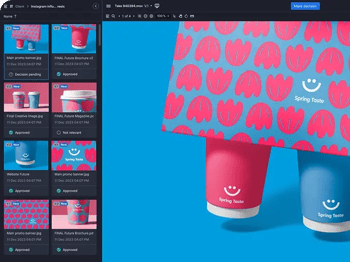
For teams drowning in complex campaigns and endless stakeholder requests, specialized proofing tools transform tangled knots into manageable clarity. Ziflow provides that centralized command center where real-time collaboration happens on the actual creative assets themselves. Comments attach directly to specific parts of designs, videos, or documents, automated workflows route approvals in the right order, and version control happens without anyone having to think about it.
Marketing teams using Ziflow consistently report cutting their revision rounds substantially, putting the stop to version confusion, and actually hitting their deadlines. Creative work flows the way it should instead of lurching from one crisis to the next.
Ready to experience what proper proofing actually feels like? Start your free Ziflow trial today and transform how your team reviews and approves creative work.
FAQ
What is the difference between proofing and proofreading?
Proofreading focuses exclusively on written content, checking spelling, grammar, and punctuation. Proofing examines entire creative assets including design, layout, branding, technical specs, and text.
Which comes first, proofing or proofreading?
Proofreading typically happens as the final step for text before it goes into a design. Proofing occurs throughout the creative process and includes a final review of everything.
Can you proofread without proofing?
Absolutely. Blog posts, articles, and email copy often need only proofreading if they're text-only. Once you add design elements, you need proofing.
How do proofing and proofreading work together?
They complement each other perfectly. Copywriters proofread text before it goes to design. During proofing, teams review how that text works within the complete creative asset.
What does the proofing process include?
Proofing covers brand compliance, technical specifications, legal requirements, design elements, functionality, and content accuracy.
How is proofing used in design and marketing teams?
Teams use proofing to review and approve everything from social graphics to video campaigns, ensuring creative work meets all requirements before going live.
What tools or software are best for online proofing?
Look for platforms supporting annotations on various file types, offering version comparison, providing automated workflows, and maintaining clear audit trails.
Why should creative teams use proofing software instead of email?
Email feedback becomes unmanageable fast. Comments get lost, versions get confused, and consolidating input wastes hours every week.
How can proofing improve collaboration and reduce revisions?
Structured proofing ensures everyone reviews at the right time, feedback stays specific and actionable, and decisions get documented properly.
What's the difference between proofreading and editing?
Editing involves improving content structure, flow, and style. Proofreading is the final check for errors.
Is proofreading part of the quality assurance process?
Yes, proofreading is one component of QA for written content. But comprehensive quality assurance for creative projects requires full proofing.
How does Ziflow make proofing faster and easier for teams?
Ziflow streamlines proofing through automated review workflows, visual markup tools, version control, and integrations that save hours weekly and significantly reduce revision cycles.

With a track record that spans media giants like WarnerMedia, Viacom, and Google, Aaron's expertise shines through in multi-million dollar projects across various mediums, from traditional television to the dynamic realm of YouTube.